
Top Waterproofing Products To Protect Your Home Efficiently
Explore the leading waterproofing solutions designed to safeguard your property from water damage and ensure lasting durability.
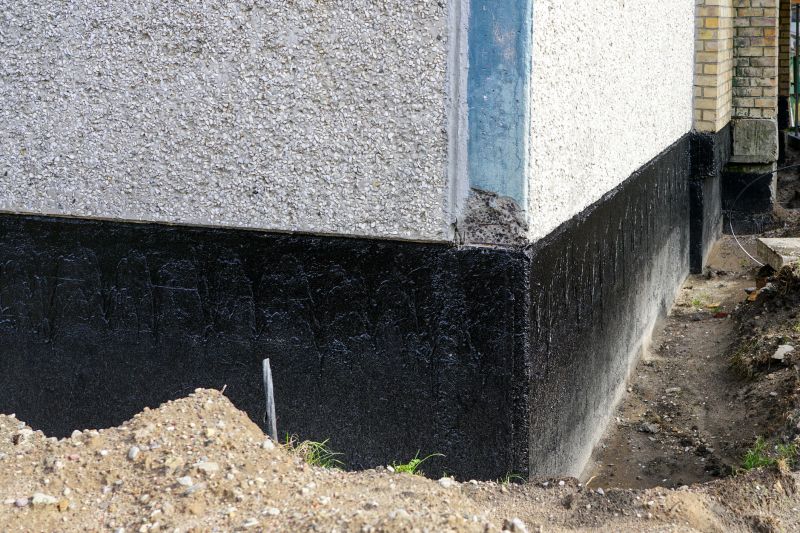 Waterproofing products are essential for protecting structures, foundations, and surfaces from water intrusion and damage. Whether for residential, commercial, or industrial applications, selecting the right waterproofing materials can help prevent issues such as leaks, mold growth, and structural deterioration. These products come in various forms designed to suit different surfaces and environmental conditions, including liquid coatings, membranes, sealants, and barriers.
Top Overall Option
Liquid Waterproof Coating
A versatile liquid waterproof coating offers a seamless, flexible barrier suitable for various surfaces including roofs, foundations, and decks. It is easy to apply with brushes, rollers, or sprayers, and provides a durable, weather-resistant layer that can adapt to surface movements. This type of coating is often used in both interior and exterior applications, making it a popular choice for comprehensive waterproofing needs.
Types of Products For Waterproofings
Liquid Waterproof Coatings
Flexible liquid coatings that can be applied to a variety of surfaces for a seamless waterproof barrier.
Bituminous Membranes
Self-adhesive or torch-applied membranes ideal for roofing and foundation waterproofing.
Polyurethane Sealants
High-performance sealants used to fill cracks and joints to prevent water ingress.
Cementitious Waterproofing
Ready-mixed cement-based products suitable for basements and water tanks.
Liquid Rubber
Rubberized coatings providing elastic, waterproof layers for roofs and decks.
Waterproofing Paints
Specialized paints that create a water-resistant surface on walls and ceilings.
Spray-On Membranes
Sprayable waterproof barriers for quick and uniform coverage on large surfaces.
Sheet Membranes
Pre-fabricated sheets that are adhered to surfaces for long-lasting waterproofing.
Polyethylene Barriers
Plastic sheets used as vapor barriers in construction and landscaping.
Crack Fillers
Specialized compounds designed to fill and seal cracks to prevent water penetration.
Waterproofing Collars
Accessories used around pipes and penetrations to maintain waterproof integrity.
Fluid-Applied Membranes
Thick liquid coatings that cure into flexible, waterproof layers.
Epoxy Coatings
Durable coatings used for waterproofing concrete surfaces and tanks.
Vapor Barriers
Materials designed to prevent moisture vapor transmission through walls and floors.
Waterproofing Tape
Adhesive tapes used for quick sealing of joints and small cracks.
Hydrophobic Sealants
Sealants that repel water and prevent absorption into substrates.
Popular Choices
Widely used for their ease of application and versatility across different surfaces.
Commonly selected for roofing and foundation projects due to their durability.
Popular for filling joints and cracks in concrete and masonry.
Favored for basement walls and water tanks because of its compatibility with concrete surfaces.
Chosen for large-scale projects requiring quick, uniform coverage.
Often used for walls and ceilings to add an extra layer of water resistance.
Preferred in situations demanding long-term protection and ease of installation.
Useful for sealing around pipes and penetrations in various structures.
Selected for their strong adhesion and resistance in industrial settings.
Popular for their water-repelling properties on porous surfaces.
Commonly used to prevent water from entering through small cracks.
Often installed in flooring and wall assemblies to control moisture vapor.
Convenient for rapid sealing of joints and small leaks.
Chosen for flexible, weather-resistant coatings on various surfaces.
Frequently used in construction for vapor and moisture control.
Understanding the specific needs of your project is crucial. For instance, basement waterproofing may require heavy-duty membrane systems, while roof sealing might benefit from flexible liquid coatings. Proper application and compatibility with existing materials are key factors to ensure effectiveness and longevity. Additionally, some products are designed for interior use, providing vapor barriers, while others are suited for exterior surfaces exposed to harsh weather.
When considering waterproofing solutions, durability and ease of application are important. Many products are formulated for quick curing times and strong adhesion, reducing labor time and increasing overall protection. Maintenance and future repairability should also influence your choice, as some materials allow for easier touch-ups or reapplications. Always follow manufacturer guidelines for optimal results and to maintain warranty coverage.
In Cartersville, GA, where humidity and seasonal weather changes can impact structures, selecting appropriate waterproofing products can help safeguard property investments. Consulting with local suppliers or waterproofing specialists can provide valuable insights tailored to the regional climate, ensuring your structures remain protected year-round.
Key Buying Considerations
- Identify the specific surface type and environmental exposure to select the appropriate waterproofing product.
- Consider the flexibility and adhesion properties needed for the application area.
- Check the product’s compatibility with existing materials to ensure proper bonding.
- Evaluate the durability and weather resistance characteristics suitable for your climate.
- Determine whether the product is suitable for interior, exterior, or both applications.
- Review application methods and whether they match your skill level or project requirements.
- Assess the curing time and whether it aligns with your project timeline.
- Look into maintenance and reapplication needs for long-term effectiveness.
- Ensure the product is suitable for the size and scope of your project, whether small repairs or large installations.
- Consider any safety precautions or ventilation requirements during application.
- Verify if the product has any specific storage or handling instructions.
- Check for compatibility with other building materials involved in your project.
- Evaluate the cost-effectiveness in relation to the coverage area and longevity.
- Review user feedback or expert recommendations relevant to your specific application.
- Ensure the product complies with local building codes and standards.