
Optimal Timing for Waterproofing Applications
Waterproofing is a crucial process that protects structures from water intrusion, preventing damage and maintaining integrity. Proper timing ensures maximum effectiveness and longevity of waterproofing applications.
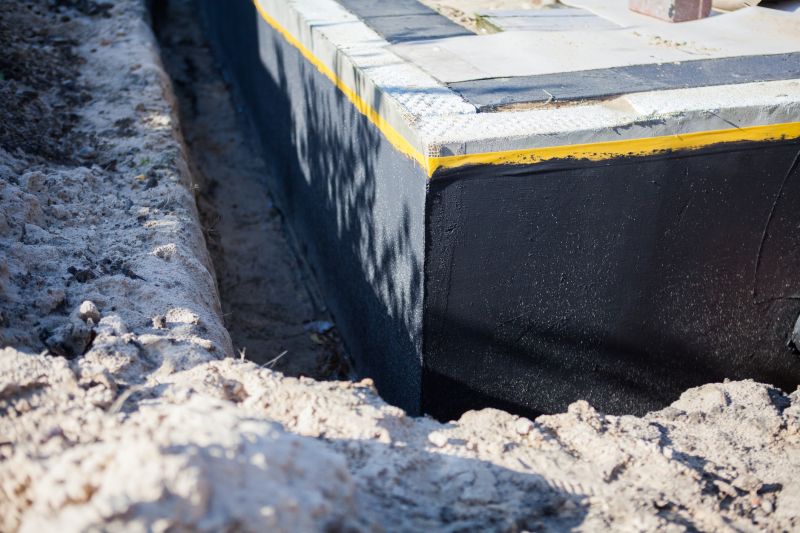
Applying waterproofing during initial construction helps prevent water penetration from the outset, especially in below-grade and foundation areas.
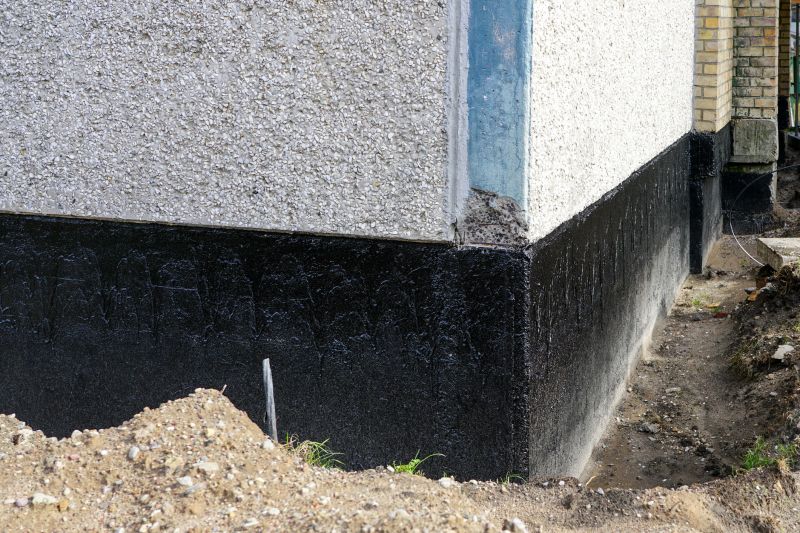
Effective for existing structures, post-construction waterproofing addresses leaks and water issues after building completion.
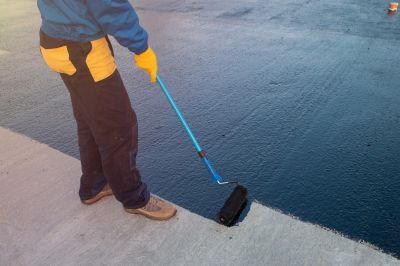
Optimal waterproofing is often performed during dry, moderate weather to ensure proper adhesion and curing.
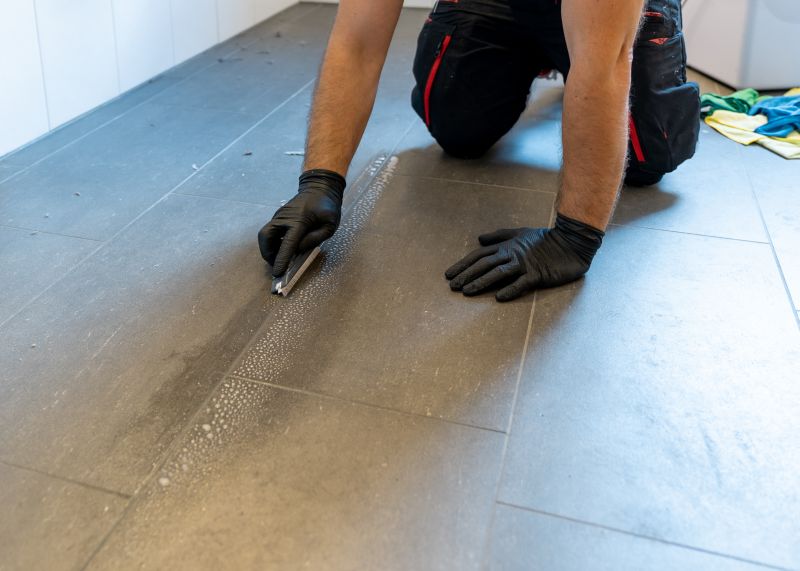
Ways to make Waterproofings work in tight or awkward layouts.
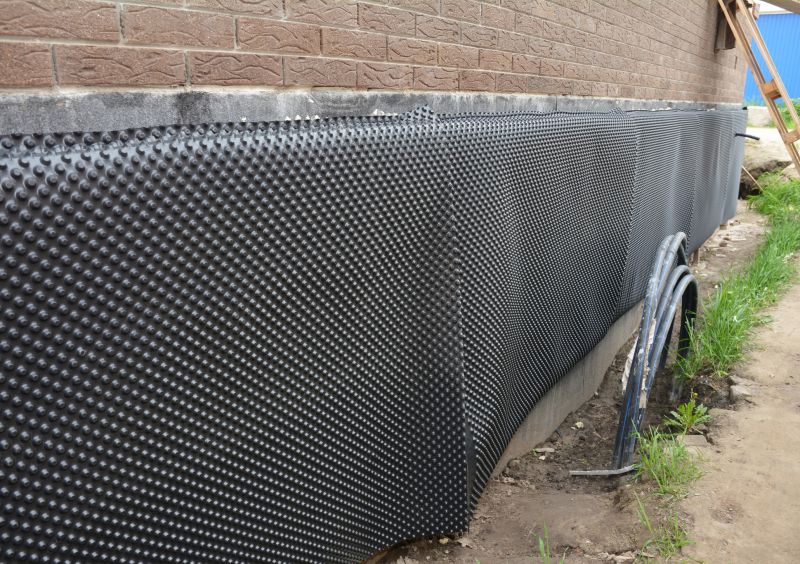
Popular materials for Waterproofings and why they hold up over time.
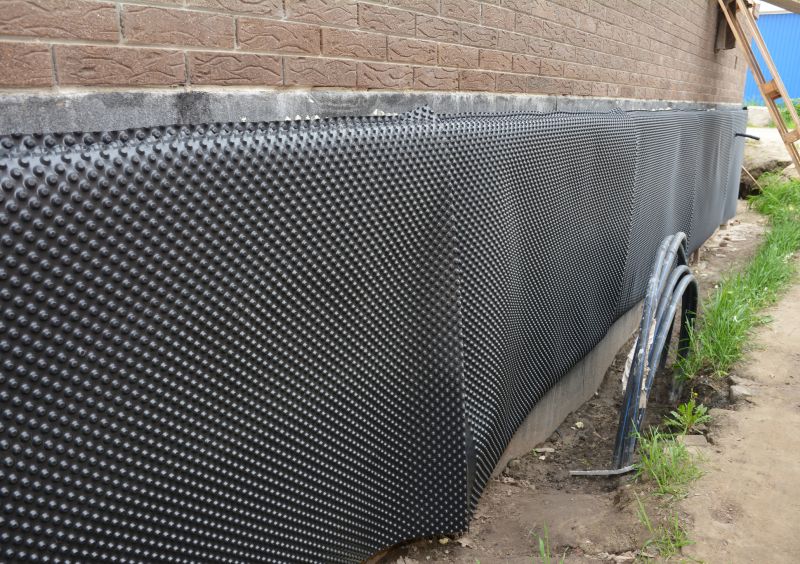
Simple add-ons that improve Waterproofings without blowing the budget.
Waterproofing effectiveness depends significantly on weather conditions and the construction phase. Installing waterproof membranes or coatings during dry seasons prevents issues related to moisture, temperature fluctuations, and curing problems. In regions with distinct seasonal changes, late spring and early fall are typically ideal times due to stable weather patterns.
Extreme cold or heat can compromise waterproofing materials, making moderate temperatures preferable for application.
Most waterproofing products require specific curing periods, which are best achieved in dry conditions without rain or high humidity.
Scheduling waterproofing before seasonal rain or snow helps prevent water exposure during curing and ensures durability.
Applying waterproofing during optimal weather conditions enhances adhesion, reduces the risk of defects, and extends the lifespan of the protection layer.
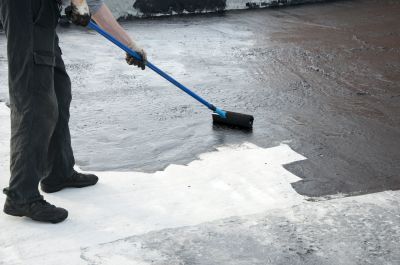
Ideal for dry, warm conditions that promote proper curing and adhesion.
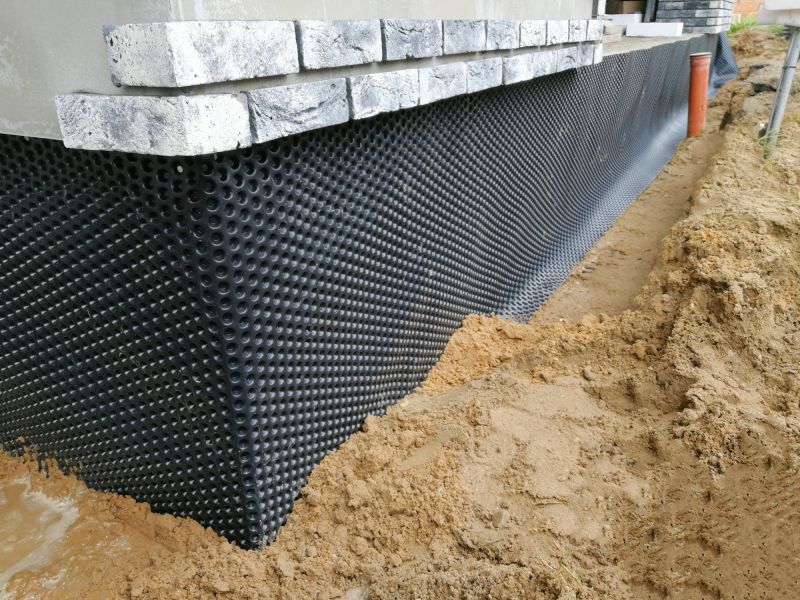
Suitable when temperatures are moderate and humidity levels are manageable.
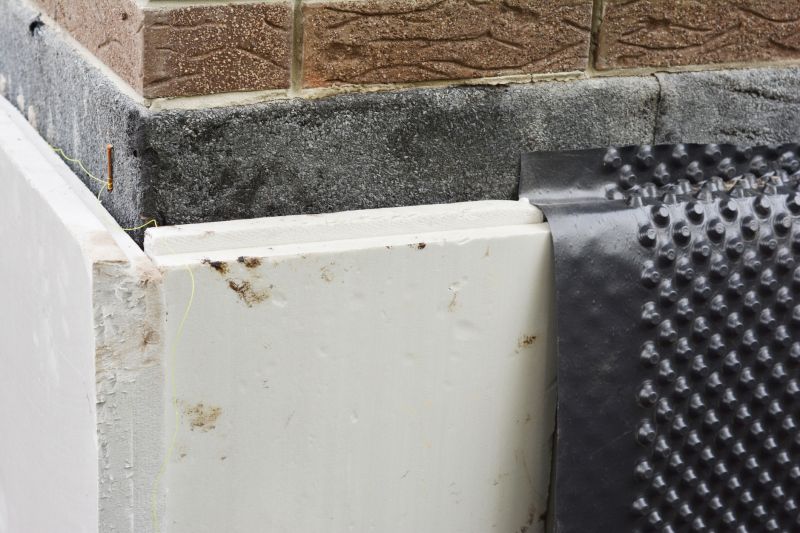
Generally not recommended due to cold temperatures and potential for frost affecting materials.
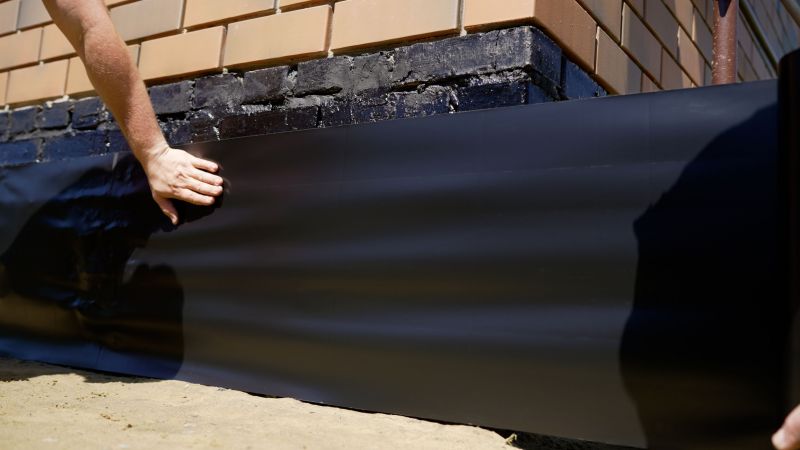
Effective when weather is stable, avoiding rain and extreme temperature fluctuations.
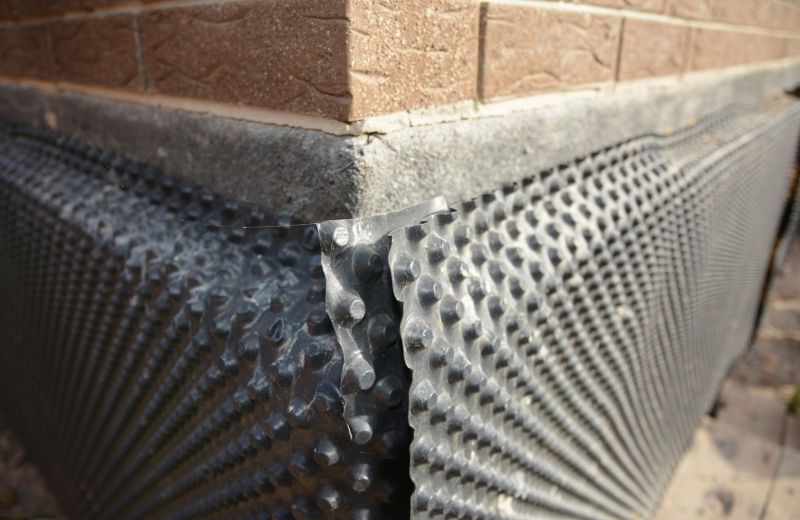
High-end options that actually feel worth it for Waterproofings.
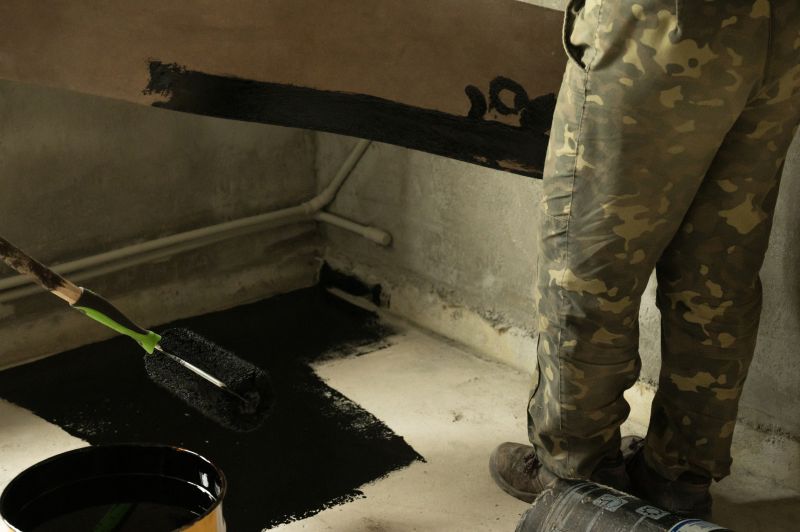
Finishes and colors that play nicely with Waterproofings.
| Season | Best Waterproofing Practices |
|---|---|
| Spring | Ideal for moderate temperatures; ensure no rain forecasted during application. |
| Summer | Optimal due to dry weather; avoid high humidity and extreme heat. |
| Fall | Suitable when weather is stable; plan before cold weather sets in. |
| Winter | Generally not recommended due to low temperatures and frost risk. |
| Rainy Season | Avoid waterproofing during heavy rain or high humidity periods. |
Understanding the optimal timing for waterproofing ensures the best results and durability. Proper planning around seasonal weather patterns minimizes risks related to improper curing or adhesion failures. Consulting with waterproofing professionals can help determine the most suitable window based on local climate conditions.
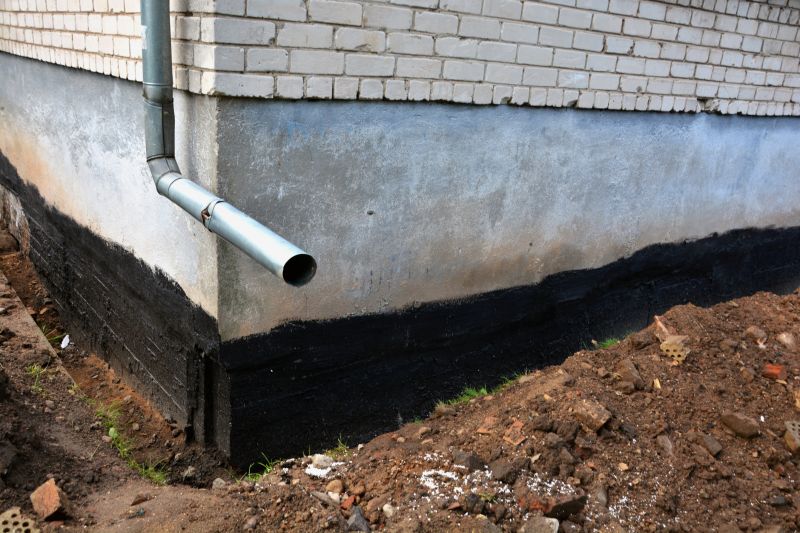
Ensures proper application and long-lasting protection.
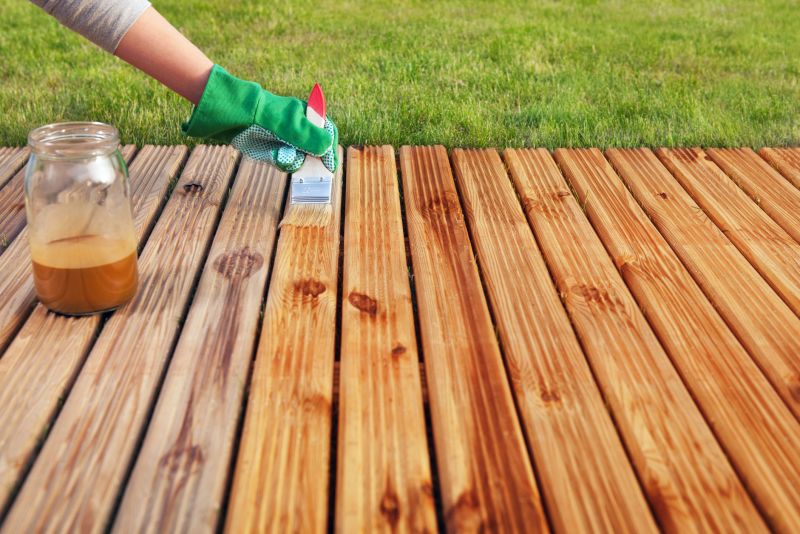
Involves scheduling around weather forecasts for optimal results.
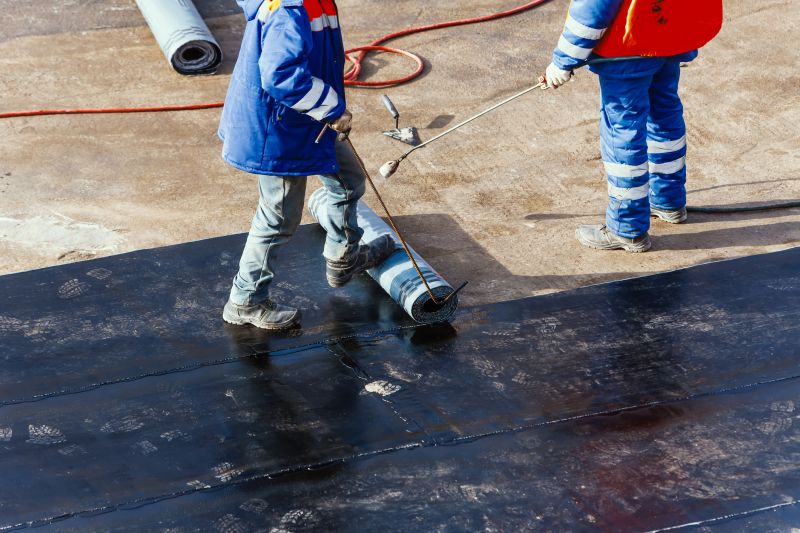
Different materials perform best under specific weather conditions.
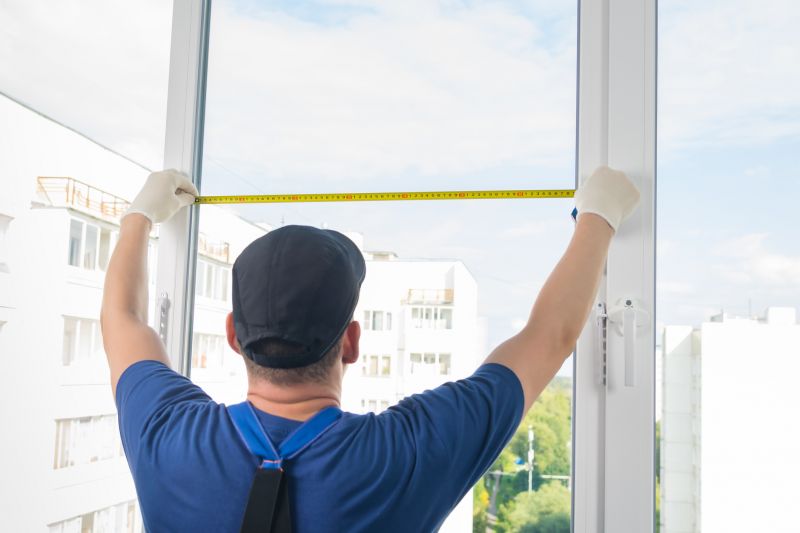
Little measurements that prevent headaches on Waterproofings day.
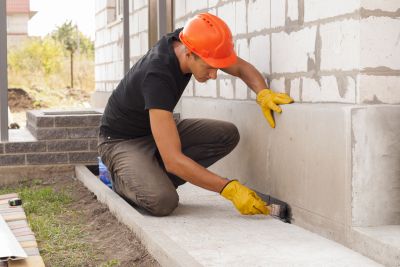
A 60-second routine that keeps Waterproofings looking new.
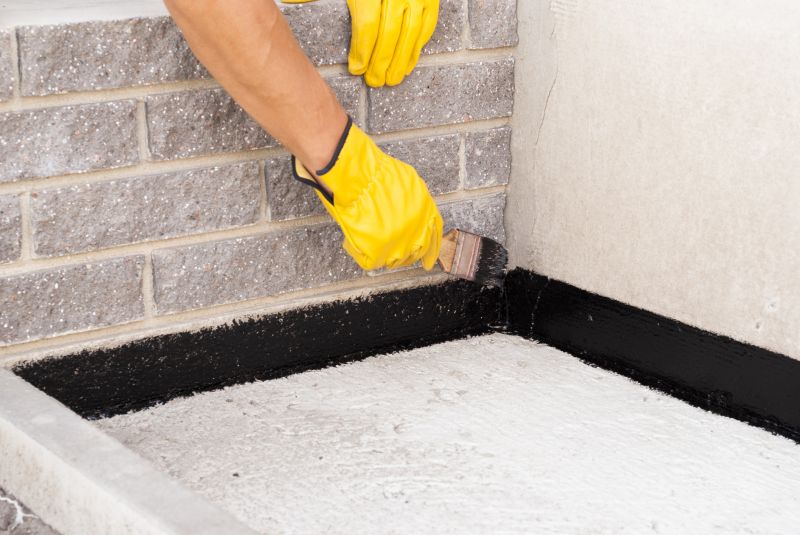
A frequent mistake in Waterproofings and how to dodge it.
Timely waterproofing is essential for safeguarding structures from water damage. Properly timed applications contribute to the longevity of waterproofing layers and reduce the need for future repairs. It is advisable to consider local climate patterns and consult with waterproofing specialists to select the best time for application.
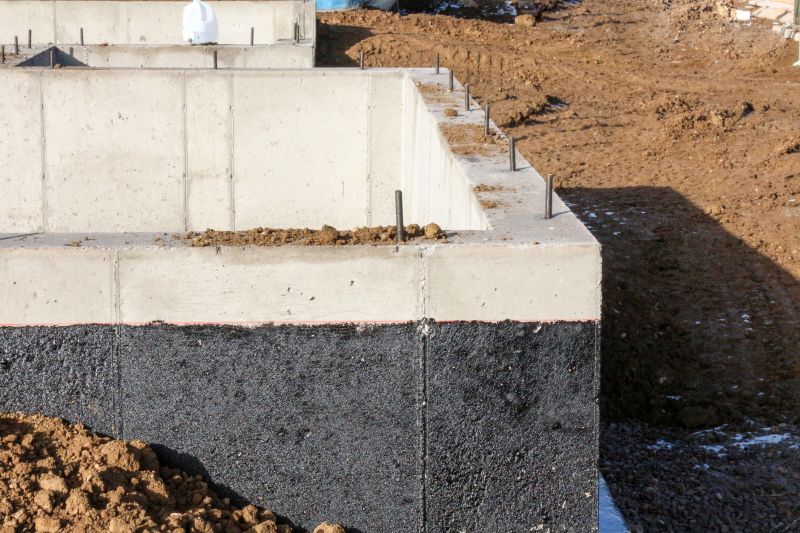
Adapting techniques based on regional weather patterns enhances effectiveness.
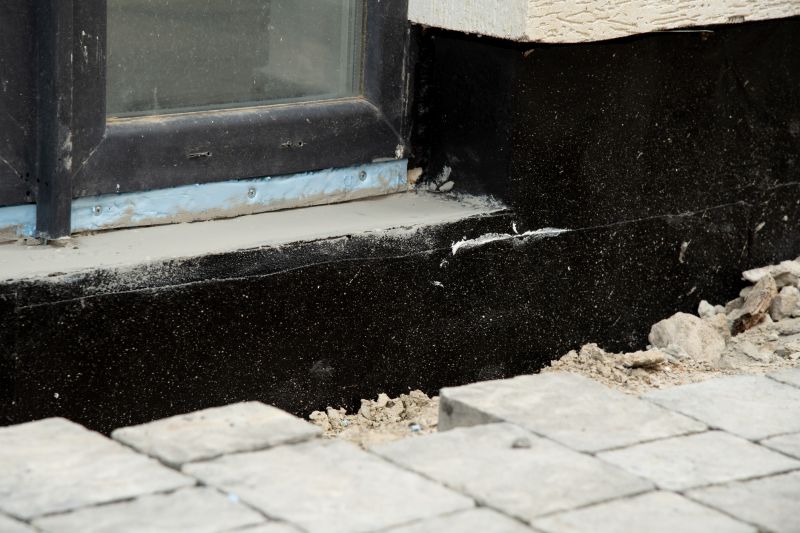
Ensuring dry conditions and proper surface cleaning is vital.
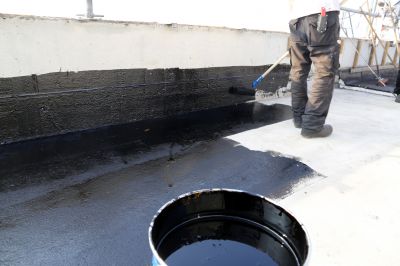
Monitoring weather forecasts helps maintain waterproofing integrity.
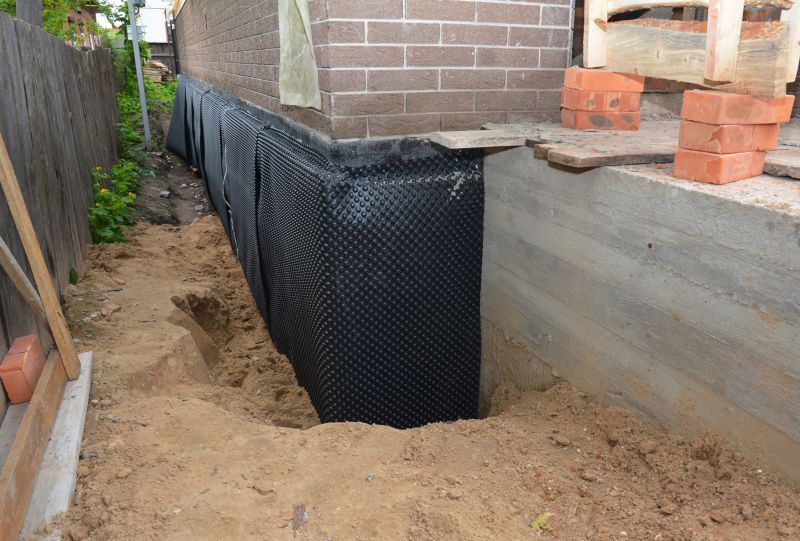
Planning for seasonal changes extends the lifespan of waterproof layers.
Small tweaks to make Waterproofings safer and easier to use.
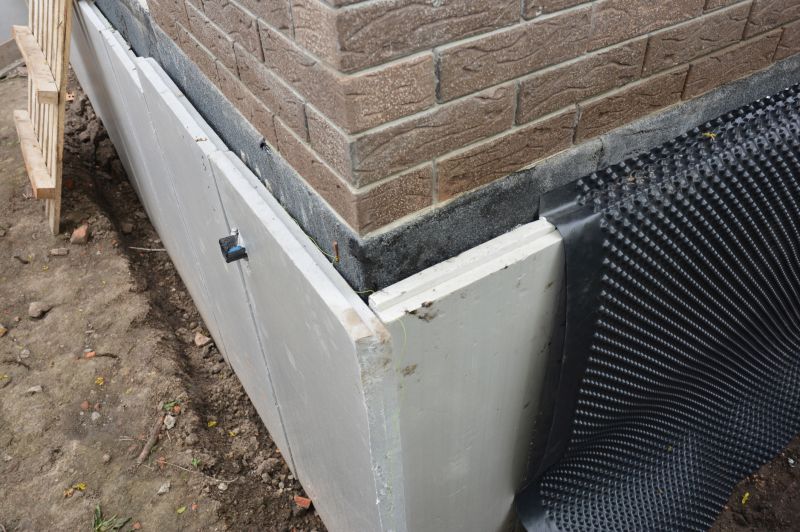
Lower-waste or water-saving choices for Waterproofings.
Interested parties are encouraged to contact for further information on scheduling waterproofing projects at the most suitable times. Proper timing, combined with professional application techniques, ensures optimal protection and durability for structures.
